Neurodesign - Interiors that influence our well-being
Can the things we surround ourselves with affect how we feel? What role does nature play, and what changes can we make to improve our well-being?
As humans, we are biologically programmed to respond positively to nature. The brain recognizes trees, water, organic shapes, and natural colors, signaling that “this is a place where I can survive.” The effects include lower cortisol levels, reduced heart rate, enhanced recovery, and improved overall well-being.
We had the opportunity to explore the topic of neurodesign and the importance of nature for our well-being with neuropsychologist Gabriella Svanberg.
Gabriella Svanberg is a licensed psychologist specializing in neuropsychology. She works at the intersection of the brain, behavior, and lifestyle, with a focus on how we can actively influence our own well-being. In her book Self-Medicate Your Brain (Självmedicinera din hjärna, Bonnier Fakta), published in January 2026, she highlights practical tools - from light, nature, movement, and music to diet and design - and explains how these factors shape how we feel, think, and experience the world.

“We are constantly, often unconsciously, influenced by our environments. The brain continuously scans colors, shapes, light, sounds, and materials, and this can either create stress or a sense of calmness,” says Gabriella.
The encouraging part is that we have more control than we think. By actively choosing our environments or adjusting small details such as lighting, textures, or color accents we can regulate our nervous system and create better conditions for focus, recovery, and creativity.
Gabriella continues: “We often underestimate how much small things affect us. We tend to think that well-being requires major changes, but the truth is that it often lies in the details. For example the light we wake up to, the chair we sit in, or the colors we encounter every day.”

According to Gabriella, the connection between nature and our well-being is both biological and psychological. Our brains are shaped by nature, which means that natural elements, such as organic forms, green tones, and daylight, signal safety and recovery.
Research shows that nature affects us not only directly but also through products and environments that mimic it. For example, rounded shapes are perceived as more calming than sharp ones. Natural symmetry and a balanced mix between order and wildness help create harmony.

The foundation should often be calm, with neutral tones and harmonious forms, as this allows the brain to rest. However, too much calm can feel flat and boring. We also need stimulation, such as dopamine, which drives motivation and interest.
“This is where contrast comes in. It can be a pop of color or a detail that breaks the pattern and acts as a neurological stimulus. It sparks attention, energy, and curiosity. It’s all about balance: a safe foundation that leaves room for small, intentional deviations that bring life”, says Gabriella.

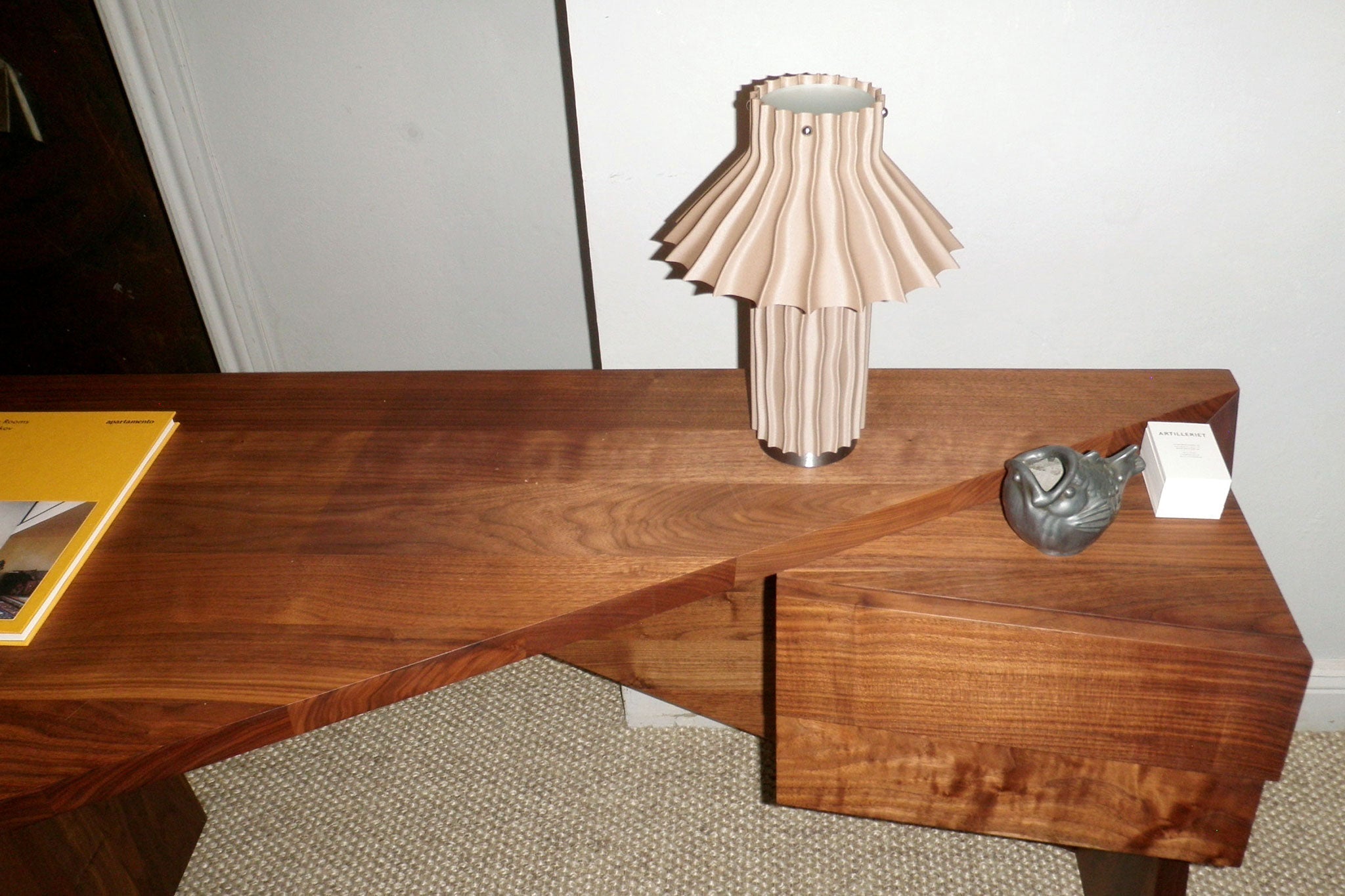
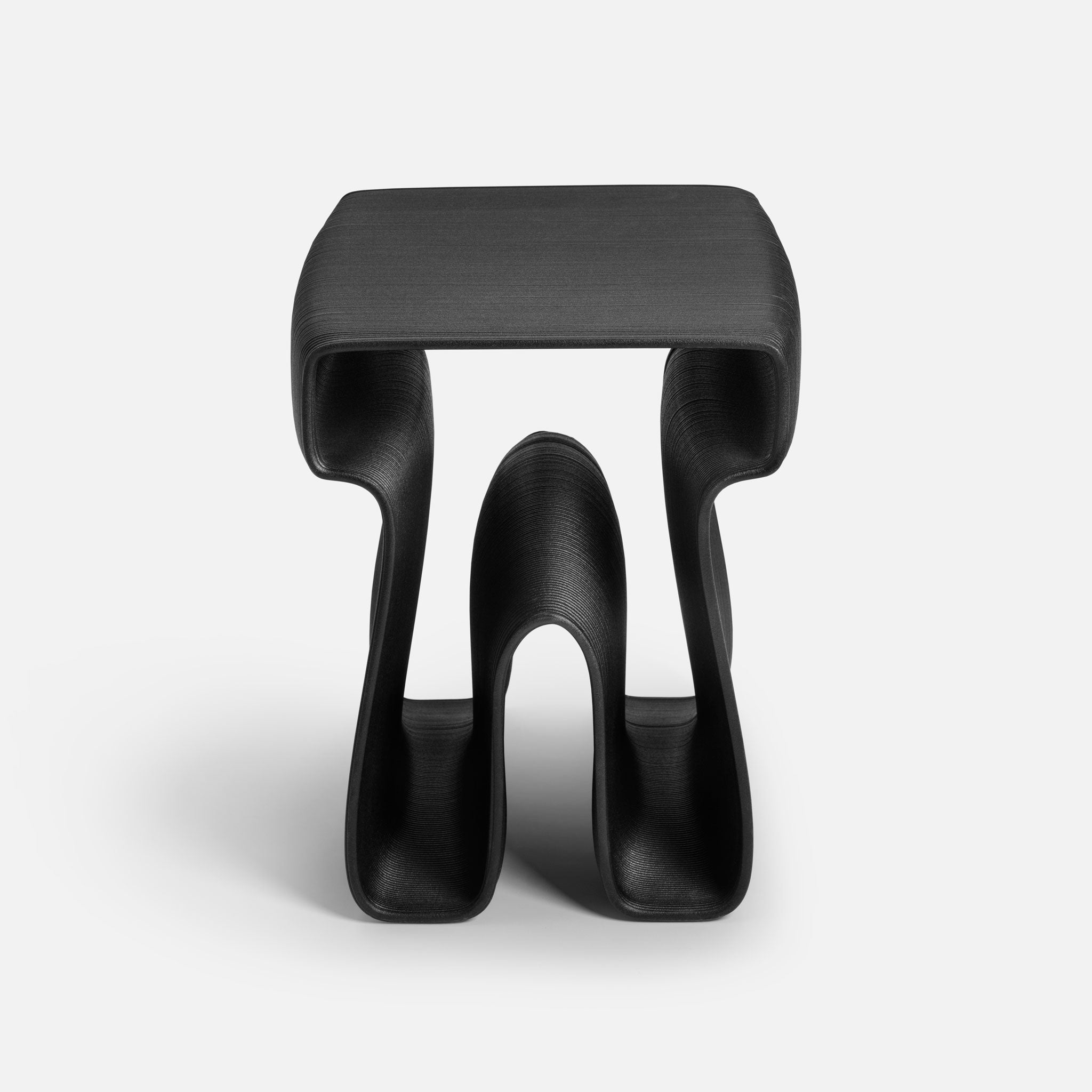
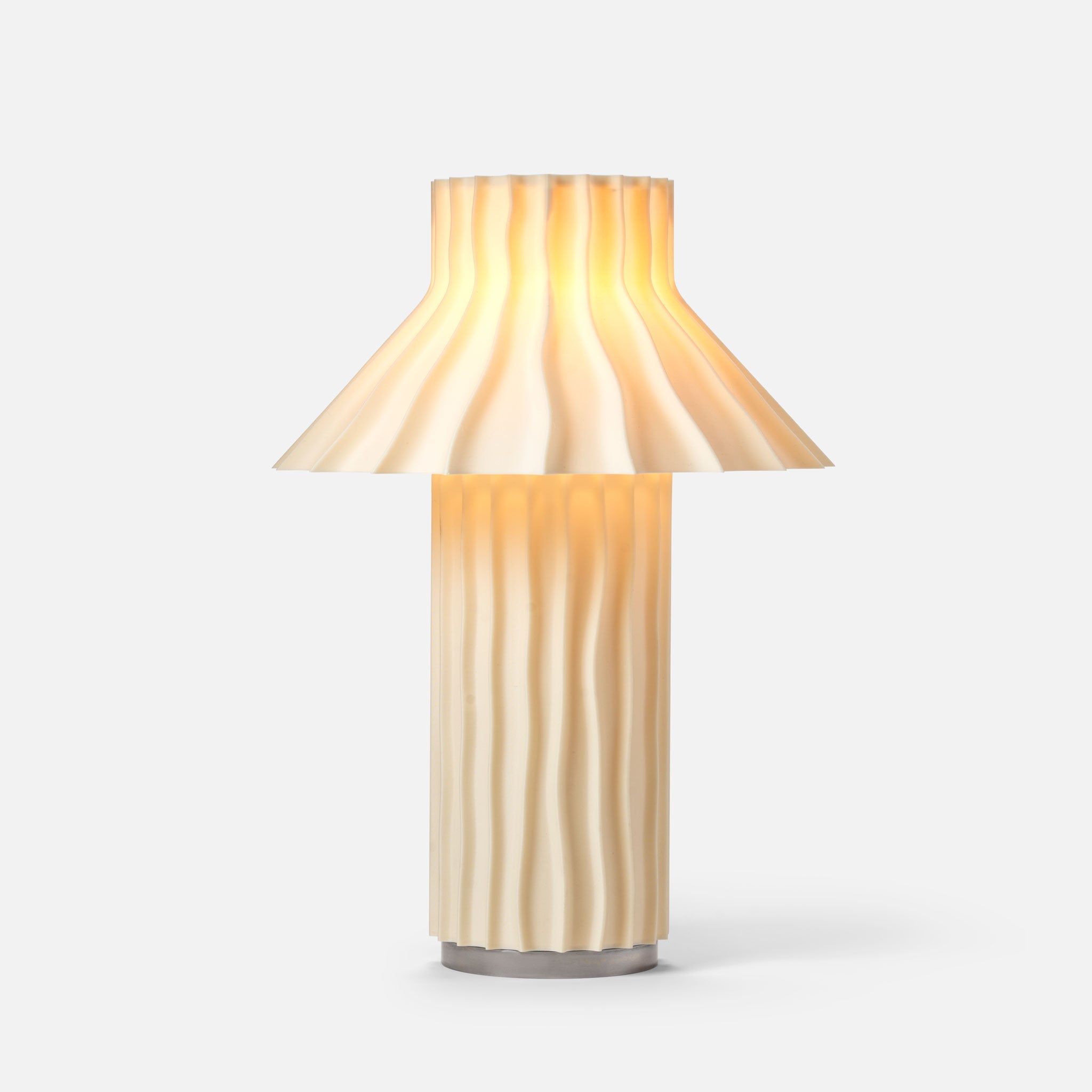
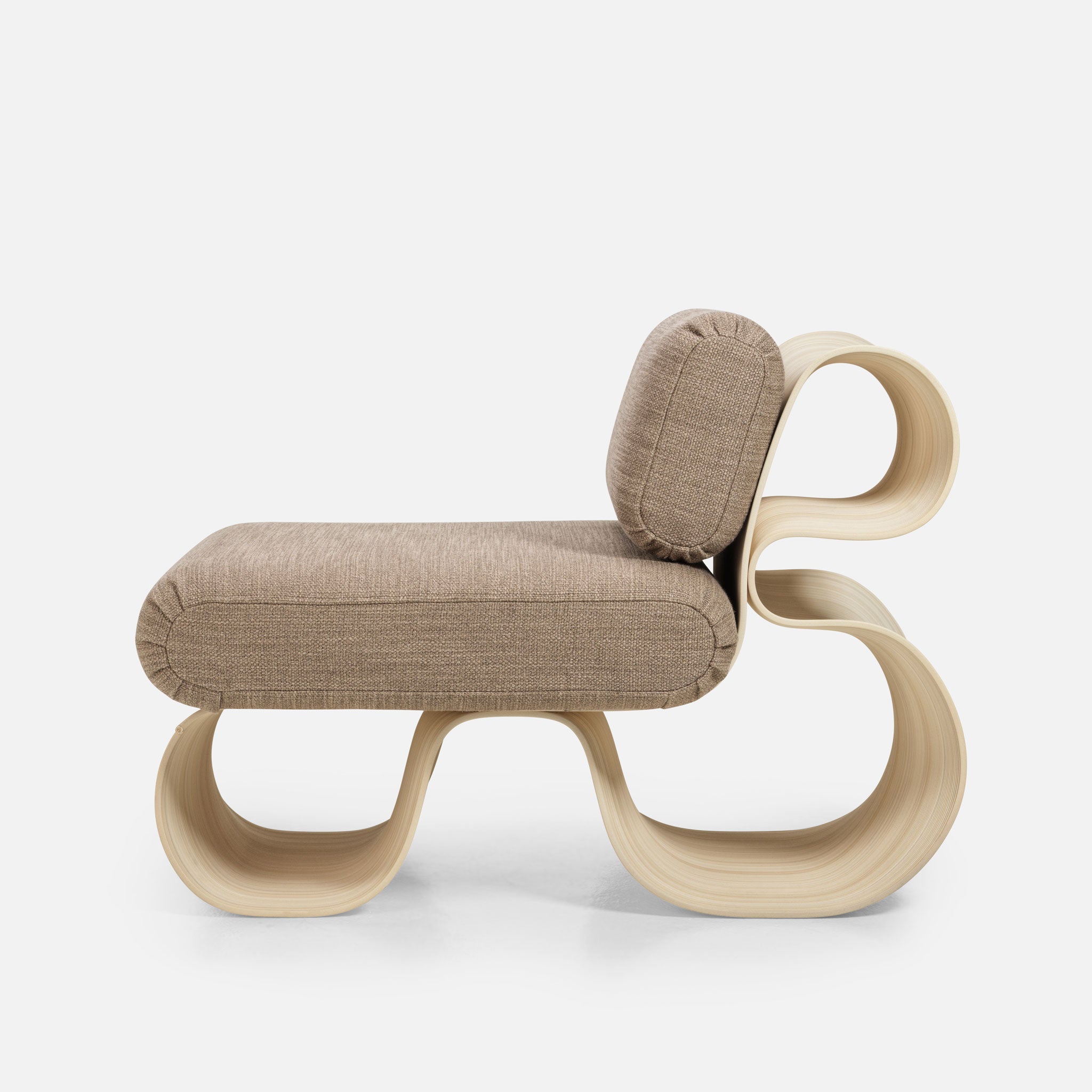
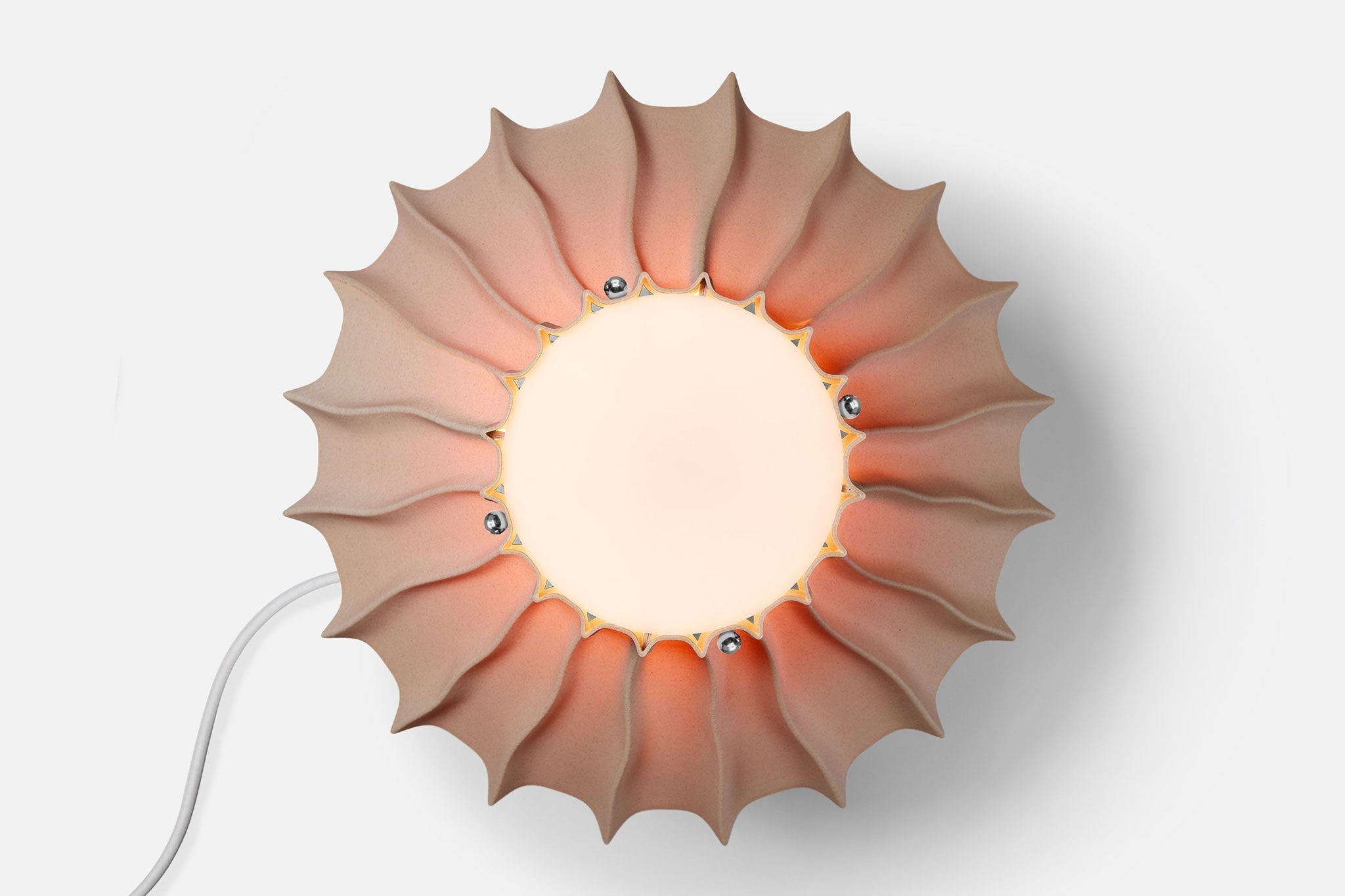
Gabriella explains that neurodesign is about understanding how environments affect the brain. According to her, Hyfer Objects is a clear example through the materials used, which originate from nature and create a subconscious connection to something larger.
Additionally, shapes and textures influence how safe or stimulated we feel. Lastly, she explains that sustainability itself impacts our psychological well-being, and that we feel better when we are surrounded by choices that are meaningful. “This is design that is not only seen but felt, and that genuinely affects our biology”, she says.
“What fascinates me most is how Hyfer Objects manages to combine aesthetics with meaning. The products carry a story, for example through recycled materials like wood waste. This is not only sustainable but also influences how we perceive them”, continues Gabriella.
“When design has a story and a purpose, it activates more parts of the brain. We don’t just see, but we feel more. Having a sense of purpose and feeling proud of what we surround ourselves with strengthens our identity and the person we aspire to be, which is especially relevant today”
- Gabriella Svanberg, Neuropsychologist


Neuroarchitecture and the future of design
Neuroarchitecture is the science of how environments affect the brain. When we enter a room, a rapid assessment takes place, often before we can consciously articulate what we feel. Some environments create friction: they feel harsh, overstimulating, or mentally draining. Others are more regulating and help us settle, orient ourselves, and focus.
When we begin to see our surroundings as a tool rather than a background, we can actively design both our environment and our lives. Using nature-connected stimuli can improve concentration and reduce mental fatigue.
Hyfer Objects sees nature as a great source of inspiration and uses it continuously in the design process. The result is organic, tactile, and sometimes asymmetrical products where the connection to the characteristics of nature is clear.
Neurodesign is a growing trend, and more people are talking about becoming their own “choice architect”, making conscious decisions and actively shaping their lives.
 Photo: Annika Eklund